Two thirds of interactions with app support daily routines of people living with dementia
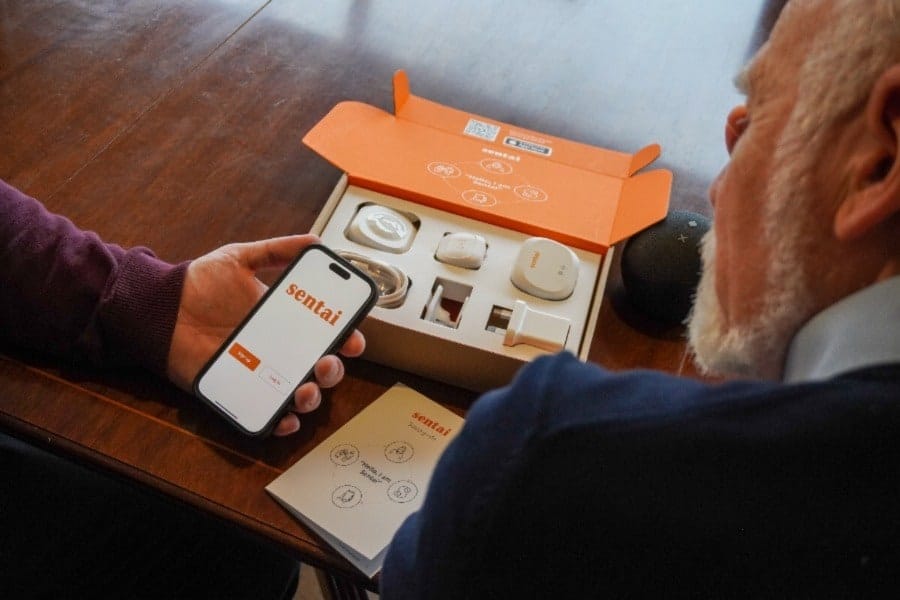 As World Alzheimer’s Month puts early diagnosis in focus under this year’s theme, The Earlier You Know, The More You Can Do: A Dementia Diagnosis Matters, user data from Sentai is offering a glimpse into how technology can support the everyday moments that matter
Across a 90-day sample of 33 active users, almost two thirds (64%) of interactions with the Sentai conversational AI companion were for everyday routine reminders, with 1,877 medication prompts and 1,590 daily reminders recorded. Showing how technology can support those small moments in the home where individuals are starting to deal with memory loss.
Almost three quarters (73%) of users had at least one family member providing day-to-day support through the Sentai app for families, showing how technology can work alongside, rather than replace, human support.
The findings come as Alzheimer’s Society research shows the pressure already being felt by families supporting someone with dementia. More than two fifths (43%) of carers said they had reached breaking point, while more than half (56%) said caring had damaged their mental health.

Previous Sentai research found almost half (48%) of families said resistance from the older person was one of the biggest barriers to introducing additional support, leaving relatives trying to balance offering help with protecting a loved one’s independence.
It is within these everyday gaps between formal care, appointments, and family visits that Sentai is designed to provide additional support, helping people maintain routines, connection, and independence at home.
Peter Otto, CEO of Sentai, said: “A lot of family care is made up of dozens of small things that individually don’t sound significant, but together can become exhausting. Did Mum take her medication? Has Dad eaten? Did somebody remind them about the appointment? When did I last call?
“One of the most helpful things families can do is identify those recurring tasks early and work out which genuinely need a person and which can be supported in other ways.
“That might mean agreeing who in the family checks in on particular days, keeping important routines consistent, using reminders for medication or appointments, or introducing support before things reach crisis point. It doesn’t have to mean taking somebody’s independence away.
“Technology is useful when it takes some of that repetitive pressure off families while keeping the person themselves at the centre. It should never replace human contact or clinical care, but it can help make everyday support more manageable.
“The future of care should not be about choosing between people and technology. It should be about using technology intelligently so families, carers, and communities have more capacity for the human support only they can provide.”
Research commissioned by Sentai found that 46 per cent of people believe carers and those receiving care do not receive sufficient support or advice.